Egg Cell
Reproductive Cell
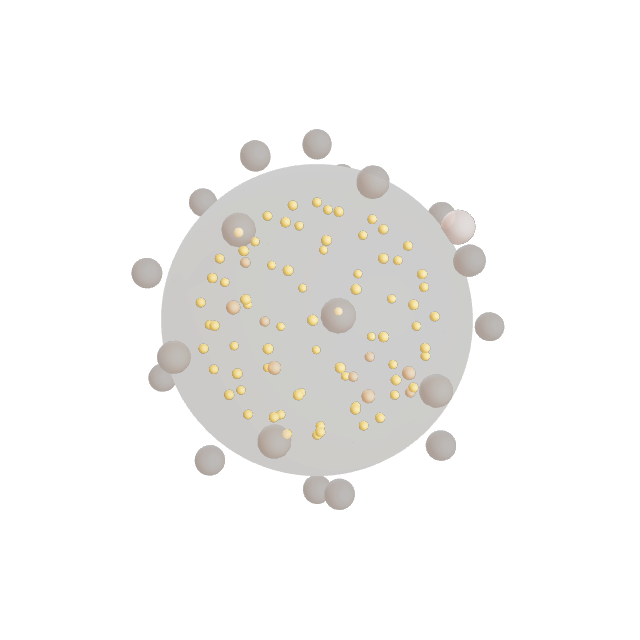
About the Egg Cell
Reproductive Cell
Ovary and fallopian tube
Egg cells mature in the ovary and are released for fertilisation, carrying most of the cytoplasm for the embryo.
Clinical and real-world context
The egg's outer coat and cytoplasm quality are part of how fertility clinics judge oocytes for assisted reproduction.
3 structures to explore
Zona Pellucida
The protective coat
The zona pellucida is a clear coat that binds sperm of the same species and helps block extra sperm after fertilisation.
The egg is among the largest cells in the human body and just visible to the naked eye.
Cortical Granules
The fertilisation switch
After a sperm enters, cortical granules release their content and harden the zona, so no second sperm can enter.
Letting in two sperm would give the embryo the wrong number of chromosomes.
Nucleus
Half a genome
The egg nucleus holds one set of chromosomes. At fertilisation it combines with the sperm's set to form a full genome.
An egg is arrested in meiosis and only finishes dividing after a sperm enters.