Stem Cell
Progenitor Cell
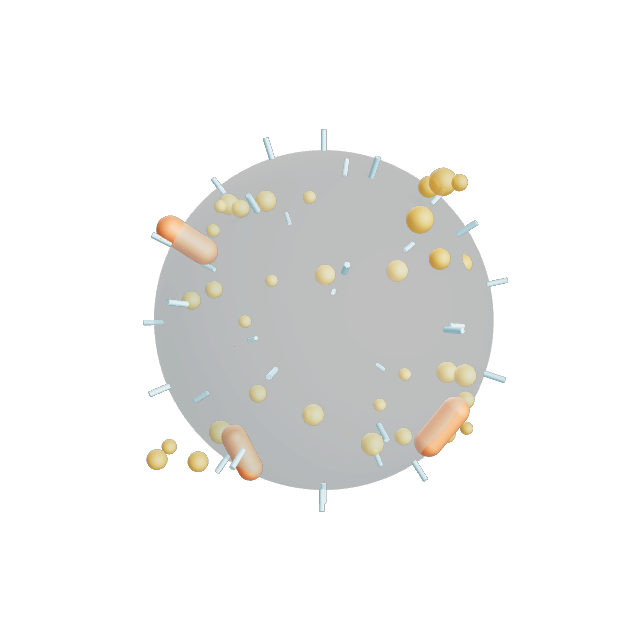
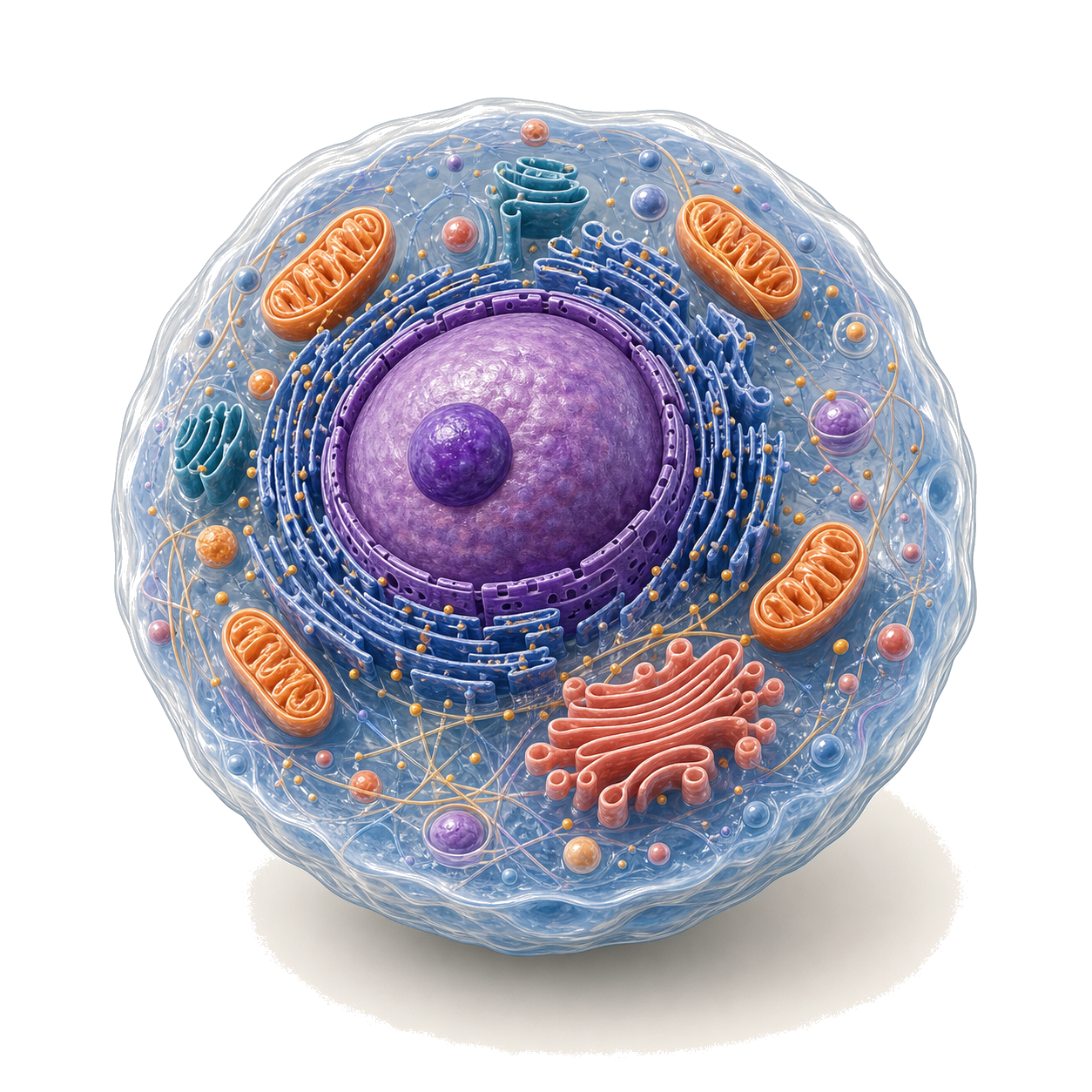
About the Stem Cell
Progenitor Cell
Bone marrow, skin, gut lining
Stem cells sit in tissues that renew constantly, dividing to make new specialised cells and to replace themselves.
Clinical and real-world context
Bone marrow stem cells are the basis of transplants for leukaemia, and stem cell research drives regenerative medicine.
3 structures to explore
Large Nucleus
High nuclear to cell ratio
Unspecialised cells keep a big nucleus with open chromatin, ready to switch on many different genes.
A high nucleus to cytoplasm ratio is a classic sign of an unspecialised cell.
Few Mitochondria
Small and rounded
Many stem cells have fewer, simpler mitochondria. These mature and multiply as the cell specialises and needs more energy.
Mitochondria change shape and number as stem cells differentiate.
Free Ribosomes
Protein makers
Abundant free ribosomes make proteins for the cell's own growth and division, while specialised export machinery is still undeveloped.
Specialised secretory cells instead stack ribosomes on rough endoplasmic reticulum.